
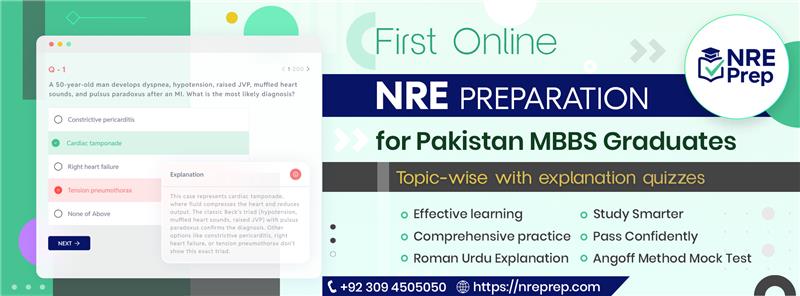
The National Recognition Examination (NRE) is an essential exam for professionals in Pakistan, especially for those who wish to work in specialized fields or need to demonstrate their skills at a national level. With the 2025 attempt approaching, it’s vital to start your preparation early to ensure success. Here’s a comprehensive guide to help you prepare effectively:
1. Understand the Exam Structure and Requirements
- Know the Subjects and Syllabus: Begin by thoroughly reading the syllabus for each subject you’ll be tested on. Understanding the scope of the exam is crucial to avoid last-minute surprises.
- Marking Scheme: Pay attention to how marks are allocated in each section. This will help you allocate time effectively during both your study sessions and the exam.
- Past Papers: Going through past years’ NRE papers will give you an idea of the exam’s format, frequently asked questions, and the level of difficulty.
2. Create a Study Plan
- Divide Your Time: Depending on the time left, create a study schedule that covers all subjects. Make sure to allocate more time to topics that carry more weight or require additional focus.
- Set Milestones: Break your preparation into weekly milestones, such as completing a chapter or mastering a particular topic.
- Allocate Revision Time: It’s important not only to study but also to revise frequently. Plan your revision towards the end of your preparation phase.
3. Gather the Right Study Materials
- Books and Notes: Use recommended books for each subject. Your notes should be concise and easy to understand.
- Online Resources: Utilize online platforms like video lectures, practice tests, and study guides for additional learning and clarification of concepts.
- Test Prep Courses: Consider enrolling in test prep courses if you feel the need for extra support. Many institutes offer tailored NRE preparation.
4. Focus on Core Subjects
- Prioritize High-Weightage Topics: Some topics will have more importance than others based on the exam pattern. Identify these high-yield topics and make sure to study them thoroughly.
- Clear Basic Concepts: Many exam questions are based on basic principles and concepts. Ensure you have a clear understanding of the fundamental theories and formulas.
- In-depth Study of Case Studies: If your exam involves case studies, ensure you understand the format and practice solving them under timed conditions.
5. Practice with Mock Exams
- Simulate Exam Conditions: Regularly take mock exams to test your knowledge and time management skills. This will help you become accustomed to the pressure of completing the paper within the allotted time.
- Analyze Your Performance: After each mock exam, analyze your mistakes and focus on areas that need improvement.
- Practice Writing: If the exam involves written answers, practice structuring and writing clear, concise answers. Use proper terminology and stay on topic.
6. Stay Updated on Current Affairs
- Stay Informed: Current events may be included in the exam, particularly in general knowledge sections. Regularly read newspapers, watch news channels, or follow reliable online sources to stay updated on the latest trends and events.
- Focus on Relevant News: While all news is valuable, focus on those that are most relevant to your exam, such as policy changes, technological advancements, or global developments that affect your industry.
7. Maintain Physical and Mental Well-being
- Take Breaks: Avoid burnout by taking regular breaks during study sessions. Resting will help you retain information and stay focused.
- Eat Healthy: A balanced diet can improve concentration and energy levels. Include brain-boosting foods like nuts, fruits, and leafy greens.
- Exercise Regularly: Physical activity helps relieve stress and enhances mental clarity. Even short walks or stretches can be beneficial.
- Sleep Well: Don’t compromise on sleep, especially before the exam. A good night’s rest will improve your cognitive performance and reduce anxiety.
8. Review and Revise Before the Exam
- Final Revision: In the last week before the exam, focus on revising key concepts, formulas, and case studies. Avoid learning new material at this stage.
- Stay Calm and Confident: Anxiety can hinder your performance, so stay calm and believe in your preparation. Visualize your success to boost your confidence.
9. On the Day of the Exam
- Arrive Early: Ensure you reach the exam center well ahead of time to avoid last-minute stress.
- Carry Required Documents: Make sure you have all necessary documents (e.g., CNIC, admit card, stationery, etc.) with you.
- Stay Positive: As you begin the exam, take a deep breath and stay focused. Tackle easier questions first and save the tougher ones for later.